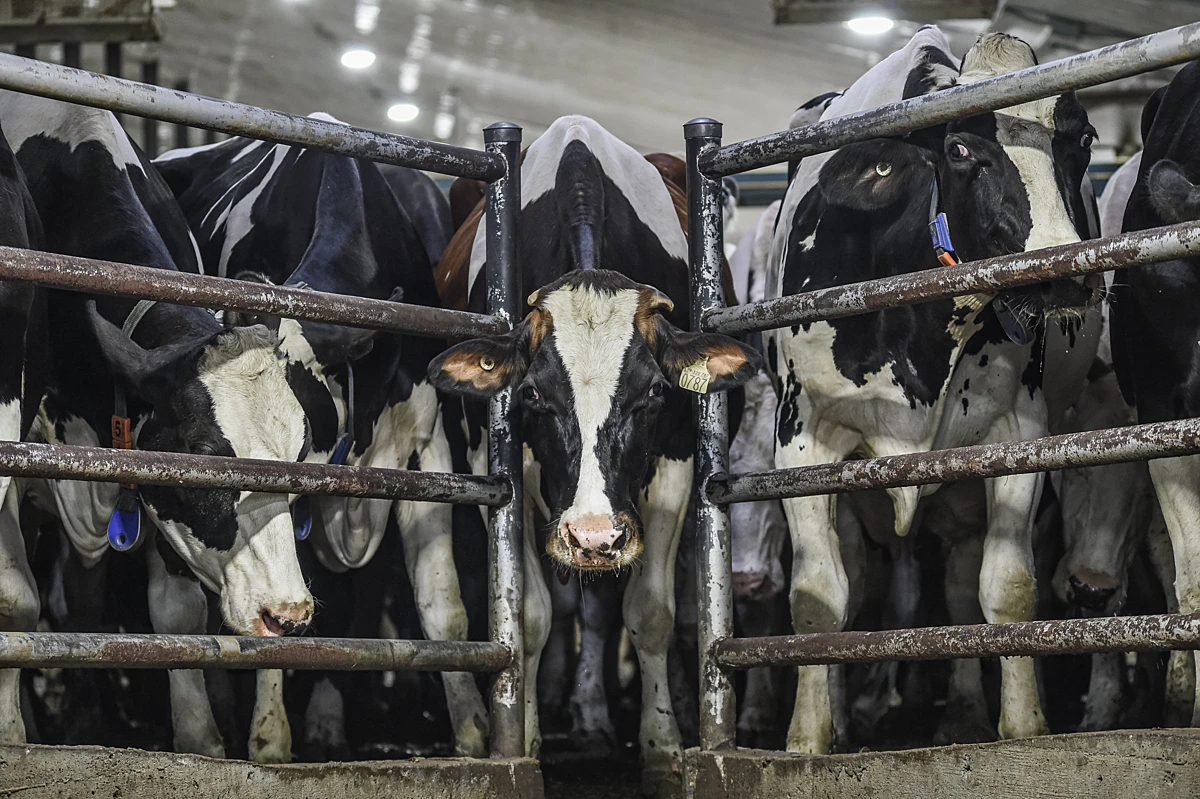
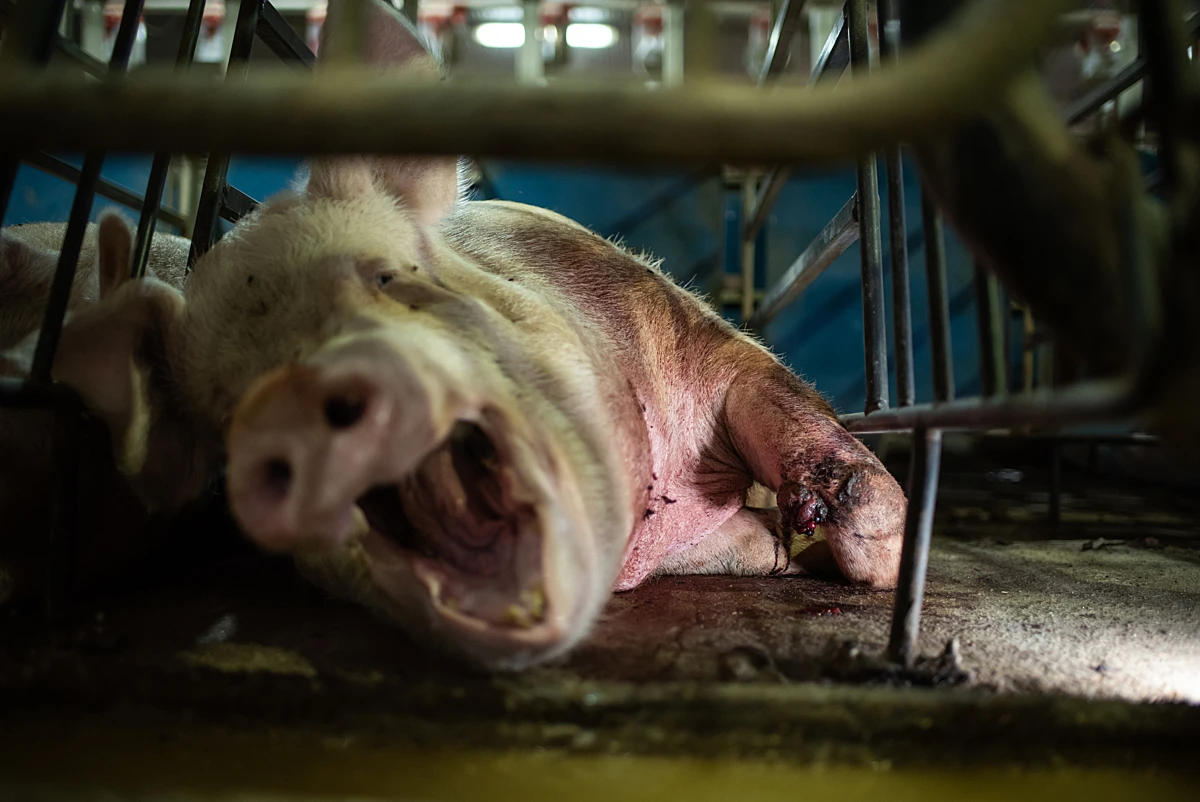
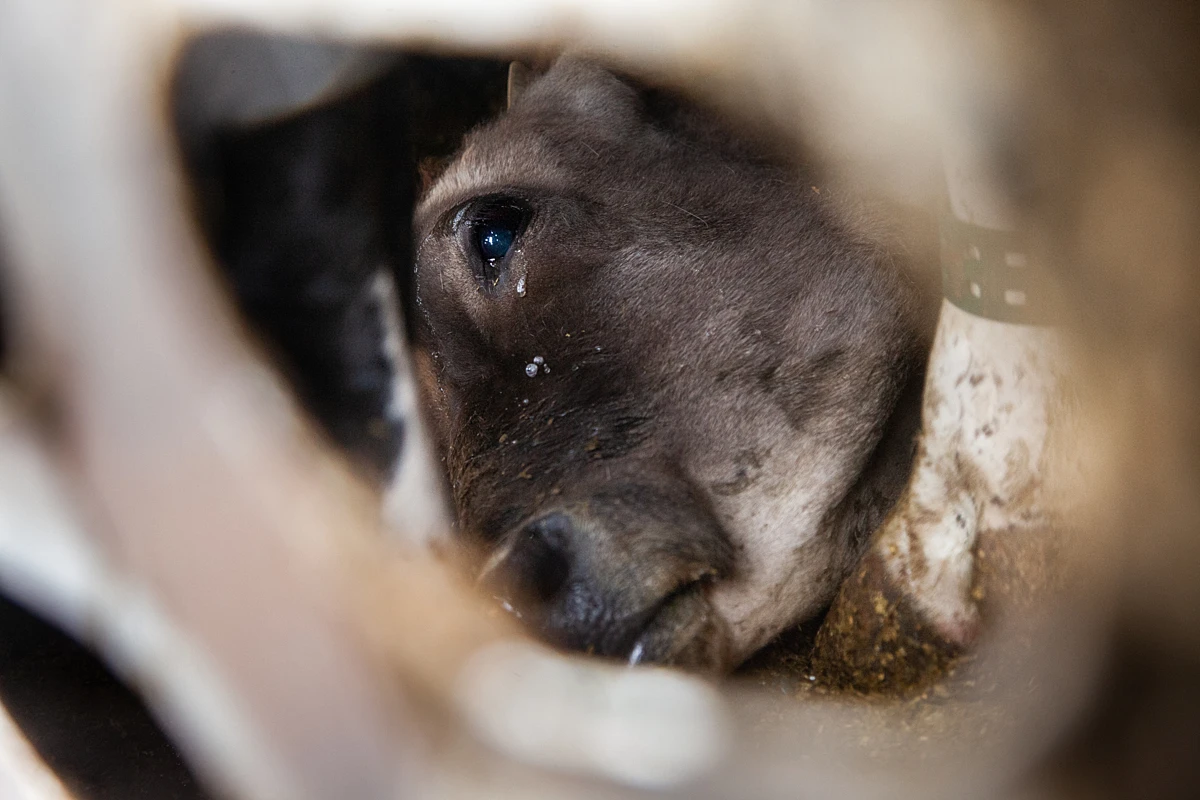
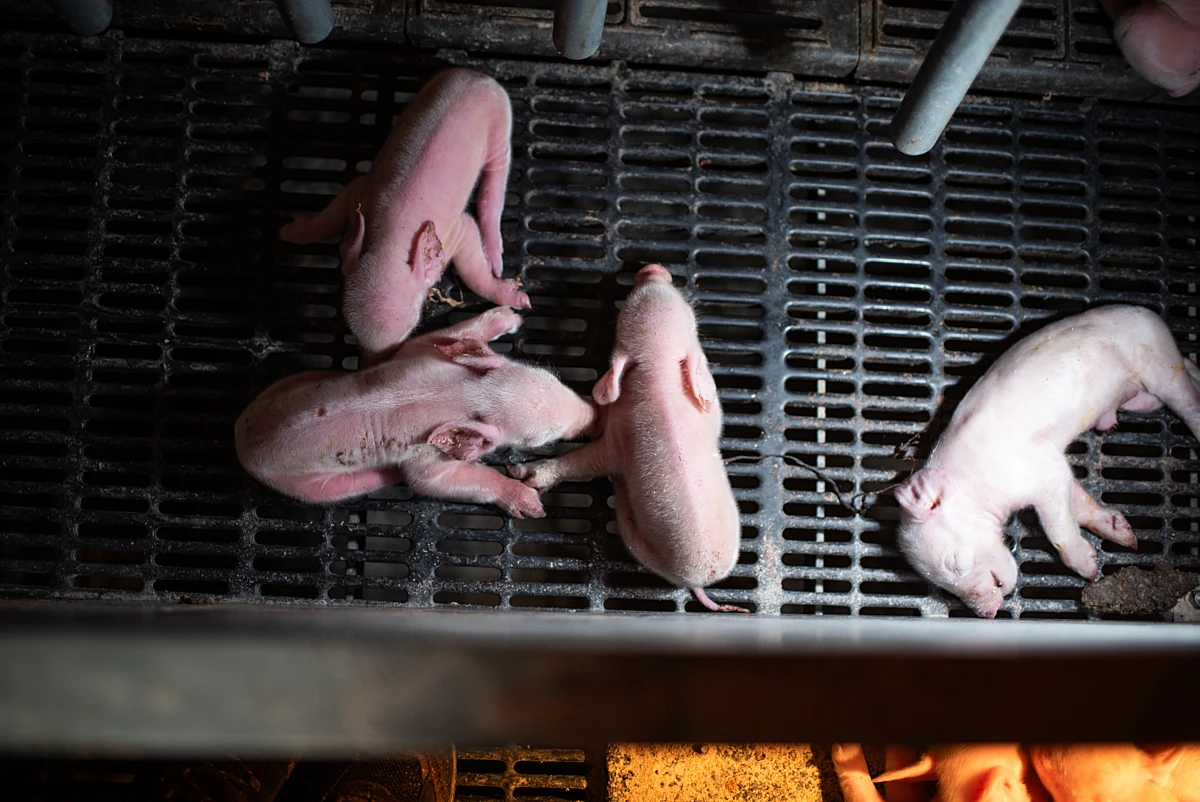
The World Day for the End of Speciesism is an international day of action bringing together groups and citizens around the world to raise awareness of speciesism and advocate for greater consideration of the lives and interests of other animals.
Discover the movement
+
On this day, animal advocacy groups organise demonstrations,
marches, vigils and outreach actions. Together, they amplify
a single demand: an end to speciesism, and the construction
of an animal-inclusive society.
The World Day promotes greater consideration of the lives and interests of other sentient beings.
No actions match those filters. Try another combination.
Every action is organised by groups on the ground.
18 ACTIONS FEATURED · 2026 ARCHIVE
03 / TAKE PART
Announce an action.
Are you a group, a collective, an organisation? Add your
demonstration, vigil, march, or outreach to the next World Day.
The movement grows with every action announced.
Explore 14 visual stories from the 2025 World Day, followed by a selection of additional photographs.
01ProtestSan Francisco Vegan Society · USA02Posters in GuadalajaraAnimales y Praxis · Mexico03Outreach in Tel AvivFor the Animals · Israel04Demonstration in FrankfurtFEF campaigns · Germany05Reel on speciesismFórum Nacional de Proteção Animal · Brazil06ProtestEOP and Animalia · Finland07Video on Insect SentienceAnimal Ethics · International08OutreachAnimal Climate and Health Save · India09VigilSouth Wales Animal Save · UK10OutreachIca Animal Save · Peru11March in MontpellierWe The Free · France12Happening in KrakowW imię Zwierząt · Poland13Happening in LimaLima Animal Save · Peru14Vox popAthens Animal Save · Greece
In 2025, the World Day reached many cities across four continents.
Cities featured in the 2025 World Day campaign.
01Ahmedabad
02Besançon
03Brandon
04Calais
05Coimbra
06Frankfurt
07Göttingen
08Ica
09Lima
10Mar Del Plata
11Montpellier
12Pittsfield
13São Paulo
14Sondu
15St John's
16St. Louis
17Tampere
18Tel Aviv
19Tokai
20Valencia
05 / DEMANDSA FRAMEWORK FOR CHANGE
FIVE AREAS FOR CHANGE
Making room
for animals.
Five areas that explore how society could give greater consideration to the lives and interests of other sentient beings.
01END EXPLOITATION & KILLING+
An end to the exploitation and killing of sentient beings
For food, clothing, experimentation, entertainment, or any
other purpose that is not in their interest.
02LEGAL RECOGNITION+
Legal recognition of the interests of all sentient beings
Their fundamental interests — not to suffer, not to be
killed, to live freely — must be protected by law.
03PLANT-BASED FOOD SYSTEM+
A transition to a plant-based food system
Encourage a transition toward food systems that reduce reliance on animal agriculture and give greater consideration to animal welfare, sustainability and social impacts.
04END ANIMAL EXPERIMENTATION+
An end to experimentation on sentient beings
Replace animal experimentation with methods that are
scientifically valid and do not rely on the suffering of
others.
05EDUCATION+
Education for an animal-inclusive society
Teach, from the earliest age, that other animals are
individuals with interests of their own.
Speciesism is an idea shaped by society. These five
chapters ask us to look again at whose interests count.
01 / 05
CHAPTER ONE
Sexism, racism, speciesism: unjust ideologies
Speciesism, like sexism and racism, is a form of
discrimination. It consists of granting different moral
consideration to individuals based on their species
membership, rather than on their actual capacities and
interests.
Just as sexism disregards the interests of women and racism
disregards the interests of people of other races, speciesism
disregards the interests of beings who are not members of the
human species — even when those interests are just as
significant to them as ours are to us.
“The species we belong to should not determine whose interests
matter.”
The principle of equal consideration of interests holds that
we should give equal weight to comparable interests,
regardless of whose interests they are. Sentience — the
capacity to experience suffering and enjoyment — is the only
morally relevant criterion for counting in the moral sphere.
Every sentient being can experience suffering and enjoyment. Their lives and interests matter to them, just as ours matter to us.
Denying intelligence in order to neglect interests?
We often justify the exploitation of other animals by claiming
they are less intelligent than we are. But intelligence is not
the measure of how much one can suffer. A being does not need
to solve equations to feel pain, fear, or grief.
Even if differences in cognitive capacities exist, they are
irrelevant to the basic interest of not being made to suffer.
To use intelligence as a pretext for neglecting interests is
simply a convenient way of preserving a privilege.
“The ability to think differently does not make suffering less
real.”
Ethology — the study of animal behaviour — has shown that
other animals are not mere biological machines. They form
bonds, hold territories, play, grieve, cooperate, and solve
problems. Each is an individual with a life story, not an
interchangeable unit of production.
Recognising this individuality forces us to see that what we
do to them is not an abstract matter. It happens to someone —
to a being for whom that experience is the whole of their
world.
Speciesism is woven into our institutions: farming,
experimentation, entertainment, clothing, language.
Dismantling it is not a matter of personal purity but of
collective transformation — legal, political, cultural, and
economic.
A society that takes the lives and interests of all sentient
beings into consideration is possible. Movements, researchers and citizens around the world are already exploring different approaches to how animals are treated and represented in society.
Find answers, read previous reports, explore resources, or get in
touch with the movement.
What is speciesism?+
Speciesism is a form of discrimination: granting different
moral consideration to individuals based on their species
membership, rather than on their actual capacities and
interests. The manifesto calls for equal consideration of
comparable interests and recognises sentience as morally
relevant.
The World Day focuses on ending species-based discrimination and encouraging greater consideration of the lives and interests of other animals. The areas presented on this site include legal recognition, changes to animal agriculture and experimentation, and education.